Commercial Waste East Ham: Recycling and Sustainability
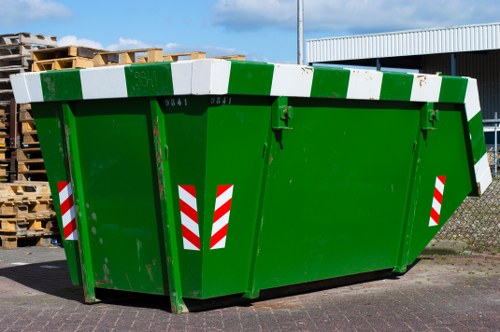 Commercial Waste East Ham is committed to transforming the local eco-friendly waste disposal area into a model of urban sustainability. Our approach helps businesses in and around East Ham meet rising environmental standards, reduce landfill, and contribute to a greener borough. We combine practical services with community partnerships to make the sustainable rubbish area vision real for offices, shops, and light industrial users.
We work alongside the borough's approach to waste separation, which emphasises separate streams for food waste, glass, paper, and mixed recycling. That local framework allows us to set a clear recycling percentage target: an interim goal of 60% commercial recycling by 2026 and an ambitious long-term target of 70% by 2030. These targets apply to commercial waste in East Ham and guide route planning, sorting practices, and customer education.
 Our services create dedicated space for sustainable rubbish area management on site and at local facilities. We support businesses to segregate streams at source, increase capture rates for recyclable materials, and divert organic and bulky wastes to reuse or energy recovery rather than landfill. Small adjustments at premises, such as clear labelling and colour-coded bins, deliver measurable improvements in recycling performance.
To make the eco-friendly waste disposal area effective, we integrate with local transfer stations and processing centres. Commercial collections are routed to nearby transfer hubs where materials are compacted and sent to specialised recyclers for paper, card, glass, metal, food waste and hard-to-recycle streams. We prioritise transfer facilities with strong segregation capabilities, including local transfer stations such as the Beckton-area facilities and adjacent East London hubs.
Our partnerships with recycling processors mean we can offer transparent reporting on tonnages and recovery rates. Businesses receive monthly summaries that show progress against the recycling percentage target and highlight opportunities for improvement. Transparency builds trust and helps landlords and property managers demonstrate compliance with environmental obligations.
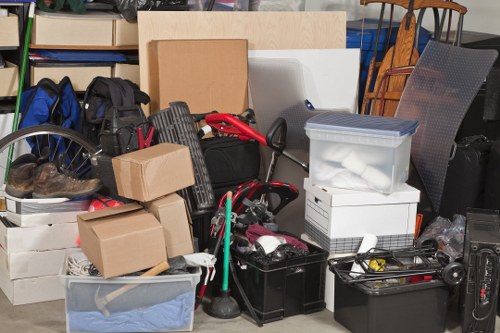 We also collaborate with local charities and social enterprises to maximise reuse before recycling. Through scheduled collections and donation coordination, reusable furniture, textiles and working electronics are diverted to community organisations rather than being disposed of. These partnerships strengthen the circular economy within the borough and create social value from commercial waste streams.
Key features of our sustainable rubbish area programme include:
- Segregation support on-site to separate food, glass, paper, plastics and metal
- Dedicated e-waste and bulky collection routes to reduce fly-tipping and ensure safe processing
- Construction and demolition waste routing to accredited materials recovery facilities
- Partnerships with charities for reuse of furniture, office equipment and textiles
Our commercial waste in East Ham service focuses on continuous improvement. Route optimisation, electronic tracking and regular audits ensure we meet the recycling percentage target while reducing vehicle miles. By lowering mileage and avoiding empty running we reduce emissions and improve air quality in the local area — a crucial objective in a busy urban environment.
We operate a low-carbon fleet that includes electric vans and Euro 6 low-emission vehicles for heavier loads. These low-carbon vans are deployed across core routes and supported by charging strategies that align with depot and grid capacity. Emissions reduction is achieved through both vehicle technology and smarter operational planning.
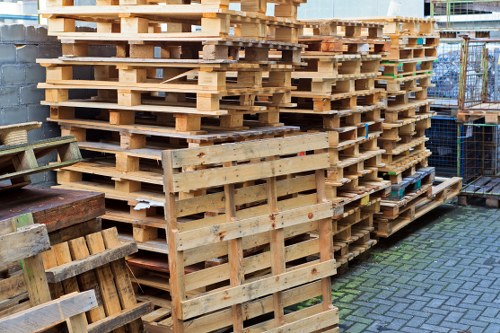 Working with charities amplifies environmental benefits. For example, office furniture and surplus fixtures are assessed on collection, with items suitable for reuse offered directly to partner charities. This reuse-first approach reduces the need for energy-intensive recycling and creates social good by supporting local causes and social enterprises.
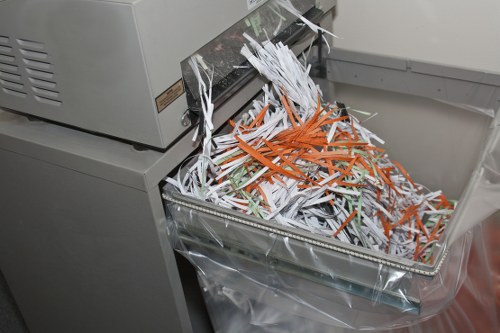 The borough's approach to waste separation complements our services: where the council promotes separate food and glass collections and encourages commercial users to adopt best-practice sorting, our teams provide easy-to-follow waste stream solutions tailored to business needs. We train site staff, supply signage, and run short waste-awareness sessions that help embed sustainable behaviours across teams.
We measure success not only in tonnage diverted from landfill but also in carbon avoided and value returned to the community. Our reporting includes recycling rates, carbon savings from the low-carbon vans and reuse outcomes from charity partnerships. Collectively these measures make the eco-friendly waste disposal area in East Ham a credible, measurable programme for local commerce.
In summary, Commercial Waste East Ham delivers a comprehensive and practical route to a more sustainable rubbish area for businesses: clear recycling targets (60% by 2026, 70% by 2030), integration with local transfer stations, active partnerships with charities for reuse, and a low-carbon fleet to cut emissions. Together these elements support a resilient circular economy and help the borough meet its environmental goals.
How we help your business
Contact-free audits, tailored collections and flexible contract terms make it straightforward for companies to transition to greener waste handling. We provide the tools and reporting to show progress towards the recycling percentage target and to highlight opportunities for further waste reduction.
Commitment to the community
Our ongoing commitment is to enhance the sustainable rubbish area infrastructure across East Ham, support local charities and social enterprises, and keep improving the low-carbon performance of our commercial waste fleet. Together, businesses and services can reshape how commercial waste is managed — for a cleaner, greener East Ham.
