Commercial Waste East Ham: Health & Safety Policy
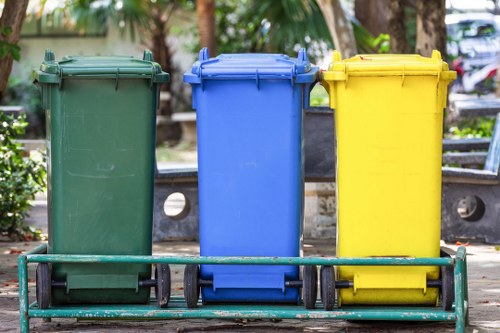 This Health and Safety policy sets out the commitment of Commercial Waste East Ham to protect employees, contractors, clients and the public when delivering commercial waste services in the rubbish company service area. The policy applies to all operations including commercial waste removal, household and business refuse handling, recycling collection and transfer activities. It is designed to ensure compliance with statutory duties and to promote a proactive culture where safety is treated as a core business objective. All staff and contractors must read, understand and apply the provisions below.
The objectives of this policy are to identify hazards, assess and control risks, provide training and resources, and to ensure incidents are reported and investigated. Risk assessments will be carried out for routine tasks such as lifting, vehicle loading, manual sorting of waste, and handling of potentially hazardous materials. Controls will include safe systems of work, use of mechanical aids, and personal protective equipment (PPE) appropriate to the task. This approach applies across our local service area and to all commercial rubbish services undertaken on behalf of customers.
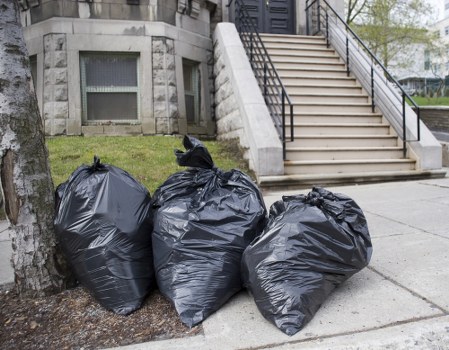 Responsibilities are allocated at all levels: senior management is responsible for setting policy, allocating resources and monitoring performance. Supervisors must ensure safe operations, carry out local risk assessments and provide instruction. Employees and contractors are responsible for following safe systems, using PPE correctly and reporting hazards or near misses. Everyone has a duty to stop unsafe work and seek assistance. The chain of responsibility supports safe waste collection, transfer and disposal activities.
To support these responsibilities we commit to maintain systems for training, competence and communication. Staff receive induction training and role-specific instruction for driving, vehicle loading, manual handling, sharps management and segregation of recyclable and non-recyclable materials. Regular toolbox talks, documented training records and refresher courses ensure competency in commercial waste removal in East Ham and associated operational sites. Training covers safe use of equipment, spill response, and basic first aid.
 Control measures form the backbone of risk management. These include safe vehicle operations (including pre-shift checks, secure load procedures and reversing safety measures), isolation procedures for compactors and balers, appropriate segregation of hazardous items, and clear labelling. Chemical and hazardous waste procedures set out segregation, packaging, and transfer requirements. Where specialist disposal is required, licensed carriers and treatment facilities will be used. The rubbish company service area will always aim to prevent environmental contamination through secure containment and timely transfer.
Emergency preparedness and incident management are essential components of the policy. Emergency plans cover vehicle collisions, spill response, fire procedures, and medical emergencies. Incidents, injuries and near misses must be reported promptly, recorded and investigated to identify root causes and implement corrective actions. Lessons learned are shared across teams to reduce the likelihood of recurrence and to improve site-level procedures and training.
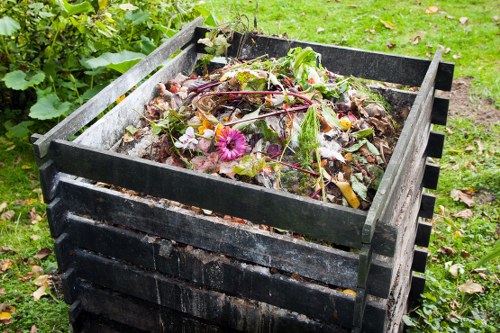 Health surveillance and occupational health support are provided where tasks present specific risks, such as repeated manual handling, exposure to dust, fumes or biohazards. Medical assessments will be arranged where necessary and records maintained confidentially. Welfare facilities and policies on fatigue management, working hours, and support for mental wellbeing help maintain a healthy workforce delivering commercial waste services East Ham customers expect.
Contractor management and supply chain oversight ensure that third-party providers and subcontractors delivering elements of commercial rubbish services East Ham adhere to the same safety standards. Contractors must demonstrate competence, provide method statements and risk assessments, and cooperate with site-specific safety requirements. Routine monitoring, audits and performance reviews will be used to confirm compliance and drive continuous improvement.
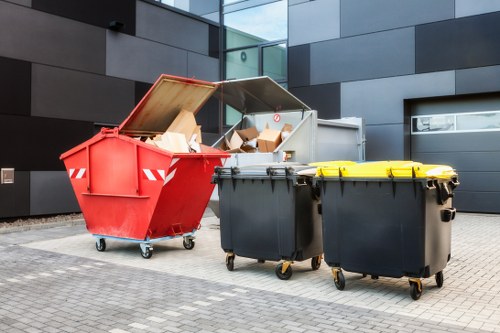 Monitoring, review and continuous improvement close the loop on this Health & Safety policy. Key performance indicators, incident trends and audit findings are reviewed by management at planned intervals. The policy will be reviewed at least annually or after significant change, incident or legislative update. Commitment to this policy is demonstrated through investment in training, equipment and competent supervision, and through fostering an open reporting culture where safety concerns are acted upon promptly.
Key Safety Commitments
- Prevent harm: identify and control hazards in all commercial waste operations.
- Train and support: ensure staff and contractors are competent and informed.
- Manage incidents: report, investigate and learn from events to prevent recurrence.
- Legal compliance: meet applicable health, safety and environmental obligations.
- Continuous improvement: monitor performance and update systems as required.
Policy Ownership and Review
The policy is owned by senior management and is supported by site supervisors and safety representatives. It is communicated to all employees, displayed where appropriate, and made available to contractors on induction. This policy remains under regular review to reflect operational changes, regulatory updates and best practice for commercial waste management in the service area. By working together, the organisation aims to deliver efficient rubbish collection and commercial waste removal services while ensuring the highest standards of health and safety.
