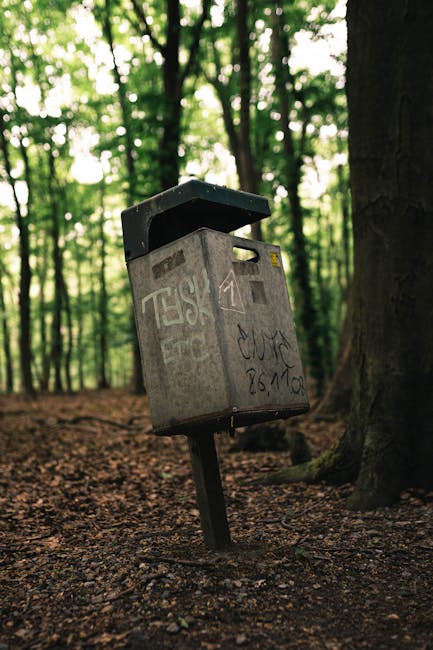
Eastham rubbish removal guide for Eastham Country Park clean ups
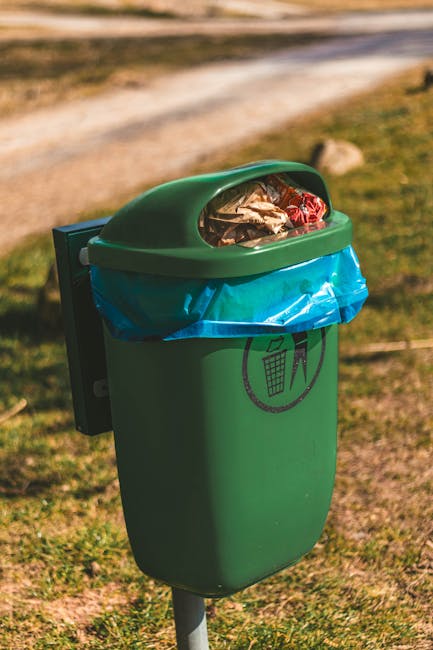
If you are planning a clean-up around Eastham Country Park, the last thing you want is a pile of bags, broken branches, old furniture, and half-filled rubble sacks slowing everything down. This Eastham rubbish removal guide for Eastham Country Park clean ups is here to make the job feel manageable, whether you are clearing a small patch after a tidy-up day or organising a bigger community effort. The aim is simple: remove waste safely, keep the area pleasant for everyone, and avoid the usual headaches around sorting, lifting, loading, and disposal.
Truth be told, most clean-ups go more smoothly when you decide early what counts as rubbish, what can be recycled, and what needs special handling. A bit of structure saves a lot of time later. And yes, it also means fewer awkward moments when you are stood in damp grass wondering whether that cracked planter is going in the van or not.
In this guide, you will find a practical way to plan, sort, load, and dispose of waste with less stress. We will cover the benefits, the right approach, common mistakes, compliance points, and a realistic checklist you can actually use on the day.
Why Eastham rubbish removal guide for Eastham Country Park clean ups Matters
Country park clean-ups are a bit different from a normal household clearance. You are not just moving waste from one private property to another. You are working in a shared outdoor space where footpaths, wildlife, visitors, and weather all shape what is sensible. That changes the job quite a lot.
Rubbish left too long in a park setting can become messy very quickly. Light litter blows into planting areas, food waste attracts pests, and sharp items can create obvious safety risks. Even tidy-looking waste can become a problem if bags split, rain soaks cardboard, or glass gets mixed into general rubbish. The earlier you organise removal, the easier it is to keep the area safe and pleasant.
There is also the reputation side of things. If a clean-up day ends with waste sitting around in a corner or by a path, people notice. A neat removal plan makes the whole effort feel worthwhile. You have probably seen this yourself: one team does all the hard work, then the finish looks unfinished because nobody planned the last mile. Annoying, really.
Good rubbish removal matters because it protects the park, supports volunteers, reduces manual handling risks, and avoids unnecessary trips back and forth. It also helps with recycling. When waste is sorted properly, more of it can be separated rather than dumped into one mixed load.
Expert summary: For park clean-ups, the best rubbish removal plan is the one that keeps people safe, avoids overfilling containers, separates recycling where possible, and gets the waste moved promptly rather than left on site.
How Eastham rubbish removal guide for Eastham Country Park clean ups Works
The process is straightforward when you break it down. Start by identifying the type of waste likely to come out of the clean-up. In a country park setting, this often includes litter, drinks packaging, bagged general waste, broken garden debris, abandoned household items, and the odd heavier item such as a bench plank, broken chair, or rusted frame.
From there, decide how the waste will be handled. Some material can go into mixed rubbish removal, some can be recycled, and some may need a separate route. For example, appliances, mattresses, and hazardous items should not be treated like ordinary bags of waste. If you come across those, it is better to pause and deal with them properly rather than trying to squeeze them into the main load.
In practical terms, a clean-up usually follows this rhythm: gather waste into safe holding points, separate anything recyclable or specialist, load it into the correct vehicle or container, and arrange prompt disposal through a licensed route. That might sound obvious, but the difference between a tidy job and a chaotic one is usually just decent sorting.
If you are comparing approaches, it helps to think about the scale. A light litter pick with a few bags is not the same as a larger clearance involving bulky waste. For bulky items, dedicated removal is usually the cleaner option, especially if you need lifting support or have limited access. For smaller outdoor jobs, a mixed load can work well if it is sorted carefully.
When you are unsure what can go where, a useful starting point is the site's what can go in a skip guide, because it gives you a clear sense of what is typically acceptable and what should be kept out.
Key Benefits and Practical Advantages
A well-organised rubbish removal plan brings more than just a cleaner space. It improves timing, reduces risk, and makes the clean-up feel properly finished instead of half-done.
- Safer working conditions: Less clutter on paths means fewer trips, slips, and awkward lifts.
- Faster completion: Sorting as you go prevents the classic end-of-day pile-up.
- Better recycling: Clear separation can keep recyclable material out of general waste.
- Less disruption for visitors: A tidy site is easier to manage in a public green space.
- Reduced strain on volunteers: Proper planning means fewer unnecessary carries and less double handling.
- Cleaner final result: The park looks ready to enjoy, not just "mostly sorted."
One practical advantage people overlook is morale. When people can see waste leaving the site steadily, they feel the work is actually moving. That matters on a cold or windy morning. Nobody wants to stand around staring at five overloaded sacks and a growing mess of mixed debris.
If the clean-up is tied to a business, landlord, school, or community group, a structured approach also makes handover easier. You can show what was cleared, what was recycled, and what was sent for proper disposal. That tidy recordkeeping may not sound exciting, but it can save a lot of back-and-forth later.
Who This Is For and When It Makes Sense
This guide is useful for anyone involved in outdoor clearance near Eastham Country Park, from volunteers to site managers. The need is broader than it first looks.
You might need this approach if you are:
- helping with a volunteer park tidy-up
- clearing fly-tipped rubbish from a shared outdoor area
- managing a landscape or grounds maintenance job
- supporting a community clean-up event
- sorting waste after maintenance, pruning, or light construction work nearby
- handling mixed rubbish that includes both household and garden-type debris
It also makes sense when access is awkward. Park areas often have narrow tracks, uneven ground, or limited vehicle access. That changes how you load, carry, and stage waste. A plan that works for a driveway in a terraced street will not always work on soft grass or uneven paths.
If you are dealing with larger domestic or mixed waste alongside the park clean-up, services such as waste removal can be helpful where the aim is to get everything cleared in one organised visit. For bulky household items left near the edge of a site, house clearance or home clearance may be more suitable depending on the origin of the waste.
There is no single right answer for every clean-up. That is the honest bit. The right choice depends on volume, access, waste type, and how quickly the area needs to be restored.
Step-by-Step Guidance
1. Walk the site before touching anything
Start with a short walkthrough. Look for sharp objects, broken glass, animal waste, needles, oily residue, and any large or awkward items. This early check tells you what protective gear and collection method you will need. A quick look now is better than a surprise later when someone reaches into a bag and finds something unpleasant. Happens more than people like to admit.
2. Split waste into sensible categories
Keep categories simple. You do not need a filing system worthy of an archive room. Use broad groups such as general litter, recyclable materials, green waste, bulky items, and specialist waste. If you are clearing a garden-style patch or overgrown edge, the garden clearance page is a useful reference point for thinking about green waste and mixed outdoor debris.
3. Set up a holding point
Create one safe area where filled bags and separated items can be placed before collection. Keep it away from foot traffic, uneven ground, and any water edge if relevant. The aim is to avoid moving the same rubbish twice. Double handling is where time disappears, quietly and annoyingly.
4. Use the right sacks, containers, and lifting approach
Do not overload bags. Heavy sacks split, and split sacks create mess, injuries, and frustration. Use sturdy gloves, closed-toe footwear, and, where needed, eye protection. For awkward furniture or old fittings, bring enough people to move items safely rather than trying to muscle through it.
5. Identify anything that needs specialist disposal
Some items need separate treatment, such as fridges, freezers, certain electricals, paint tins, chemicals, and damaged containers with unknown contents. For those, the safest route is specialist handling, not a mixed rubbish pile. If the clean-up includes appliances, a dedicated fridge and appliance removal service is the more appropriate fit.
6. Load and remove promptly
Once the waste is sorted, move it off site without delay. Outdoor waste can get heavier after rain, and weather can turn a neat stack into a soggy mess. Early morning removal often works best because access is quieter and the site can be reset before the day gets busy.
7. Do a final sweep
Finish with a walk-through for fragments, nails, bottle tops, zip ties, and small plastic pieces. These are the bits people miss. They are also the bits that make a park look not quite finished. A final sweep is not glamorous, but it makes a huge difference.
Expert Tips for Better Results
Over time, the clean-ups that run best tend to have a few things in common. They are not fancy. They are just well thought through.
- Pre-label collection points: If volunteers know where to put each waste type, sorting becomes much smoother.
- Keep one person in charge of waste decisions: Otherwise, everyone asks everyone else. You know how that goes.
- Use smaller loads more often: In outdoor settings, frequent removal is often easier than trying to build one giant pile.
- Protect the ground: On damp grass, use boards or pallets where needed to reduce sinking and make lifting easier.
- Think about weather: Rain changes everything. Bags become heavier, cardboard collapses, and gloves get slippery.
- Separate recyclable material early: Once mixed, it is much harder to rescue clean material.
One good habit is to photograph the area before and after the clean-up. Not for drama, just for record-keeping. It helps if you need to show progress to a committee, landlord, team lead, or community organiser.
Another small tip: keep a bin bag or tub for loose micro-litter. Tiny plastic pieces and wrappers are easy to miss, especially in long grass or near hedge bases. They are also the sort of thing that catches the eye later if they are left behind.
If you expect a mix of bulky household items and outdoor waste, comparing furniture clearance and furniture disposal options can help you decide whether you need a simple uplift or a more structured clearance. For a broad, flexible approach, waste removal usually covers the most day-to-day situations.
Common Mistakes to Avoid
A lot of problems in park clean-ups come from good intentions and poor sequencing. That is the awkward truth.
- Mixing hazardous and general waste: This creates avoidable risk and can contaminate the whole load.
- Overfilling bags: Heavy bags split, and nobody enjoys carrying a burst sack along a muddy path.
- Leaving sorting until the end: This is how recyclables get thrown away and time gets wasted.
- Ignoring access conditions: A route that looks fine on paper may be too narrow, soft, or crowded in real life.
- Forgetting disposal destination: Not every item can go in general rubbish or a skip.
- Working without a final sweep: Small debris is what makes a site still look untidy after the hard work is done.
Another mistake is assuming all outdoor waste is harmless just because it is outside. It is not. Broken glass, contaminated packaging, and sharp metal can all hide in plain sight. A careful clean-up is not being over-cautious; it is being sensible.
And let's face it, nobody wants the clean-up day remembered for a twisted ankle or a punctured glove.
Tools, Resources and Recommendations
You do not need a mountain of equipment, but a few well-chosen items make the job much easier.
| Item | Why it helps | Best use |
|---|---|---|
| Heavy-duty gloves | Protects hands from sharp or dirty waste | General litter picking and handling mixed debris |
| Rubble sacks | Stronger than standard bin bags | Heavier mixed waste and garden debris |
| Grabber tools | Reduces bending and direct contact | Litter collection in grass, paths, and borders |
| Closed-toe boots | Protects feet on uneven ground | All park clean-up work |
| Wheelbarrow or trolley | Moves waste without repeated carrying | Longer distances or awkward access routes |
| Separate containers | Helps sorting from the start | Recycling, general waste, and specialist items |
For situations involving building-type debris near maintenance work, builders waste clearance may be more suitable than a general rubbish tidy-up. If the clean-up is part of an office, business, or managed site operation, it can also be worth looking at office clearance or business waste removal where the waste stream is mainly commercial rather than public-space litter.
One more sensible recommendation: keep a simple written note of what was collected. It does not need to be formal. A rough list is enough to help plan the next clean-up and avoid repeating the same mistakes. Small things, but they add up.
Law, Compliance, Standards, or Best Practice
Any rubbish removal job in the UK should be treated carefully, especially where waste is collected from a public or shared space. The main principle is straightforward: waste must be handled responsibly, transferred securely, and dealt with through an appropriate and lawful route. If you are using a contractor, it is sensible to check that they operate with proper insurance and follow safe working practices. The site's insurance and safety information is useful here, because it reflects the kind of reassurance a client should look for before booking any clearance work.
Best practice also means keeping hazardous items out of general loads. That includes chemicals, oils, batteries, unknown liquids, and anything that could leak or react. If something looks suspicious, it usually deserves a separate handling plan. No heroics required.
For businesses or organised groups, record-keeping and duty of care matter as part of normal waste management practice. Even when the job is local and practical, it helps to keep clear notes on what was removed, where it was taken, and whether any items needed special handling. That is simply good housekeeping, really.
Where sustainability is a priority, it is worth taking a more thoughtful approach to waste separation. The recycling and sustainability page is a helpful reference if you want to keep more material out of general waste and make the clean-up feel better aligned with environmental goals.
Options, Methods, or Comparison Table
There is more than one way to handle a clean-up, and the best choice depends on the site conditions, the type of waste, and how much time you have.
| Method | Best for | Pros | Watch-outs |
|---|---|---|---|
| Volunteer bag-and-carry | Small litter picks and light waste | Simple, flexible, low cost | Can be slow and physically demanding |
| Dedicated rubbish removal | Mixed loads and bulky items | Faster finish, less lifting stress | Needs planning and access for collection |
| Skip-based clearance | Predictable waste volumes from one site | Good for ongoing work | Not ideal for all waste types; needs sorting |
| Specialist item removal | Appliances, mattresses, hazardous items | Safer handling and proper disposal | May require separate arrangements |
If you are dealing with mattresses or soft furnishings left near the park edge, specialist services such as mattress and sofa disposal can be a better fit than general waste handling. That way, the awkward stuff is dealt with properly instead of becoming the item everyone debates for ten minutes in the rain.
For smaller garden-style cuttings and branch waste, garden clearance tends to be the neatest route. For loft-like or storage-related overflow from nearby properties, loft clearance or garage clearance may be more relevant, depending on where the waste came from.
Case Study or Real-World Example
Imagine a small weekend clean-up near Eastham Country Park after a windy spell. The team arrives to find wrappers along a footpath, a few bagged items near a hedge, some broken plant supports, and an old chair left by an access point. Nothing extreme, but enough to need proper organisation.
The team starts by walking the route and spotting the obvious risks: broken glass near the path edge, a heavy wet bag, and one item that clearly needs two people to move it. They split the work into three streams. Litter goes into one set of sacks, garden debris into another, and the chair is kept separate for bulky removal. Simple, but effective.
Within the first hour, the site already looks calmer. The final sweep picks up the tiny stuff that always hides in grass: bottle caps, food wrappers, and one oddly stubborn cable tie. A short collection run then clears the bags from the holding point, and the area is left tidy instead of half-finished.
What made it work? Not speed alone. The key was sorting early, keeping the load manageable, and not trying to solve every waste type with the same method. That's the bit people miss. They think clean-up success is about effort, when it is often about order.
Practical Checklist
Use this checklist before and during a clean-up. It keeps the job grounded and stops small issues turning into bigger ones.
- Walk the site and note hazards
- Bring gloves, boots, grabbers, and sturdy sacks
- Set up separate areas for general waste, recycling, and bulky items
- Keep sharp, wet, or contaminated items apart
- Do not overfill sacks
- Store waste safely away from paths and public access
- Arrange removal promptly once the holding point is ready
- Check whether any items need specialist handling
- Finish with a fine-detail sweep for small litter
- Take quick photos or notes if you need a record of the work
If you want a practical next step after planning the waste load, it can help to review pricing and quotes so you understand the likely approach before booking anything. If you prefer to get the move booked in, the book online page gives you a straightforward route to arrange the service.
Conclusion
A good Eastham rubbish removal plan for Eastham Country Park clean ups is not about making the task complicated. It is about keeping the work safe, tidy, and sensible from the first bag to the last sweep. Sort early, separate specialist items, avoid overloading, and make sure the waste leaves the site promptly. Do that, and the clean-up feels organised rather than exhausting.
The better the removal plan, the better the park looks at the end of the day. And that matters. People notice when a shared space has been cared for properly, even if they do not say so out loud.
If you need help handling mixed or bulky waste, or you want a more efficient way to clear a site without the usual back-and-forth, the smartest move is to speak with a team that understands both the practical side and the safety side of the job.
Get a free quote today and see how much you can save.
Sometimes the best clean-up result is simply this: the park feels calm again, and everybody can breathe a little easier.
Frequently Asked Questions
What is the best way to handle rubbish during a Country Park clean-up?
The best approach is to sort waste as you collect it, keep hazardous or bulky items separate, and arrange prompt removal once you have enough for a safe load. That keeps the site tidy and reduces double handling.
Can general rubbish and garden waste go in the same load?
Sometimes they can be combined, but only if the waste is suitable for the same disposal route. Green waste, litter, and light mixed debris may work together, but it is better to separate anything that needs specialist handling.
What should I do if I find a fridge, freezer, or other appliance?
Do not put it into general rubbish. Appliances need separate treatment, so a dedicated removal route is usually the safer and more practical option.
How do I know whether something counts as hazardous waste?
If an item contains chemicals, oil, batteries, unknown liquids, or anything that could leak or react, treat it carefully and keep it apart from general waste. When in doubt, separate it rather than mixing it in.
Is a skip a good idea for a park clean-up?
It can be, especially if the waste is predictable and the site has access for delivery and collection. For mixed or bulky items, a direct rubbish removal service may be easier.
How can I make clean-up day safer for volunteers?
Use gloves, boots, and litter pickers; brief everyone on hazards; avoid overfilled sacks; and make sure heavy items are lifted by enough people. A short safety talk at the start helps more than people think.
What should be sorted out first during the clean-up?
Start with hazards. Sharp objects, contaminated waste, and bulky awkward items should be identified early so the team can work around them safely.
Can bulky furniture be removed as part of a park clean-up?
Yes, but it is usually better to handle bulky items separately rather than mixing them with regular bags of rubbish. Furniture-specific options are often the cleaner choice.
How do I stop waste from becoming messy before collection?
Keep sacks tied, store them off the main path, and avoid leaving them out in rain or wind for too long. A holding point away from public access makes a big difference.
What is the main mistake people make with clean-up waste?
The most common mistake is mixing everything together and hoping it will be sorted later. Once waste is mixed, it is harder to manage, and some material may need separate disposal after all.
Do I need to record what was removed?
It is not always mandatory for small informal clean-ups, but keeping notes is a smart habit. It helps with planning, accountability, and knowing what the site tends to generate over time.
What is the simplest first step if I am planning a larger clean-up?
Do a site walk, estimate the waste type and volume, and decide whether you need general waste removal, a skip, or a specialist service for bulky items. That one decision makes the rest of the job far easier.
Learn more about the team behind the service if you want a clearer sense of how organised waste handling is approached in practice.